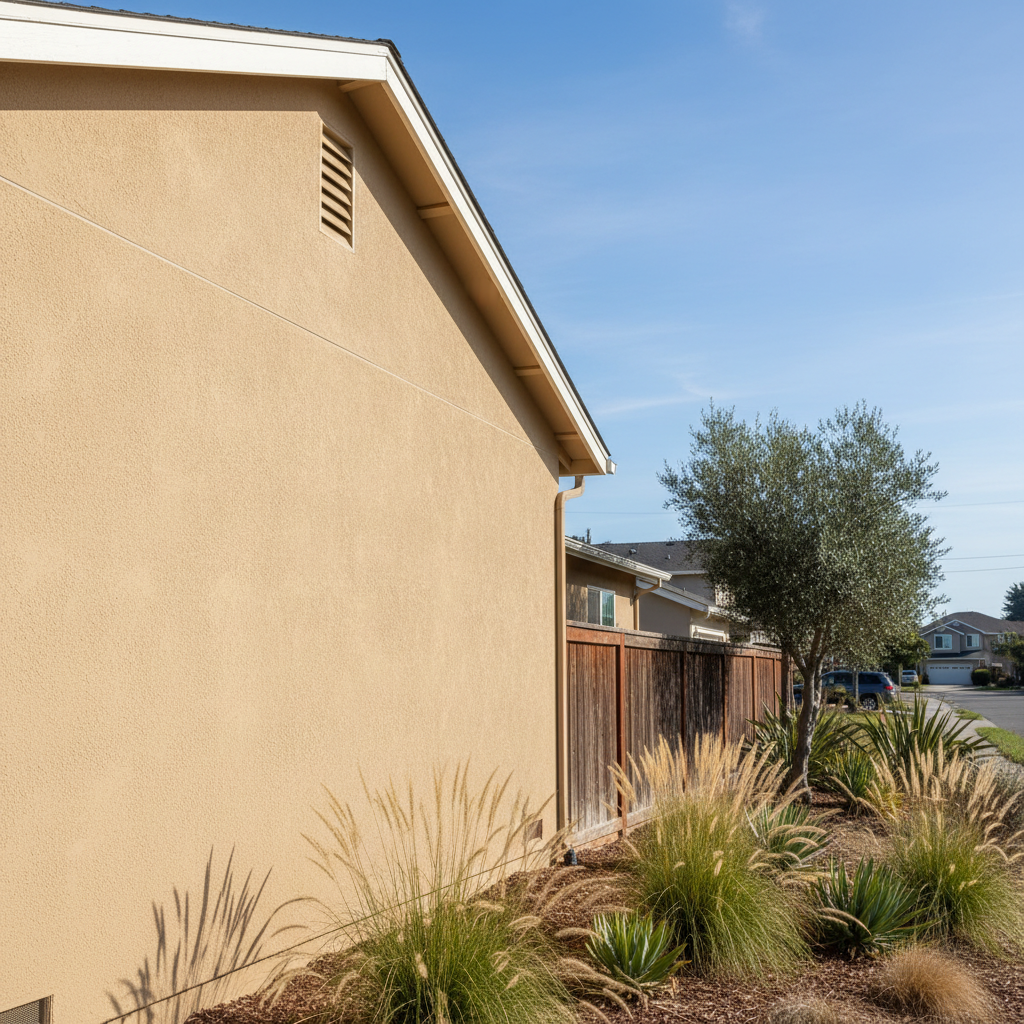
So, you've got EIFS (Exterior Insulation and Finish System) on your home, and you want to make sure it lasts. That's a smart move. It's really a fantastic system for insulation and it looks great too, especially here in Marina where we deal with those cool, damp mornings and constant salt air. But, just like anything else, it needs a little TLC to stay in top shape. Ignore it, and you'll probably face bigger headaches down the road. Let's chat about how to keep your EIFS exterior strong for the long haul.
Keeping Your EIFS Around for a While
The single most important thing you can do to extend the life of your EIFS is pretty simple: keep water out. EIFS is built to be a barrier, but any little breach can spell trouble. Think of it like your favorite rain jacket; if there's a tear, water's getting in. For EIFS, that means you've got to make sure all your sealants are doing their job and that water can drain away from your walls without getting stuck.
Regular inspections are absolutely crucial. I'm talking about taking a quick stroll around your house a couple of times a year. Pay close attention to the areas around windows, doors, and where different materials meet up. Those are the usual suspects for sealants cracking or pulling away. If you spot any gaps, get them sealed up fast. You really don't want water hanging out behind your EIFS, especially with our occasional heavy rains that can seriously put a building's envelope to the test.
Oh, and keep plants away from the walls. Trees, bushes, even those climbing vines — they can all hold moisture right against the EIFS, leading to stains or even physical damage if branches rub against it. Plus, who needs insects or rodents finding a highway into your system? That's a whole different kind of headache, isn't it?
What Does Regular Maintenance Actually Look Like?
Maintaining EIFS isn't rocket science, but it does need to be consistent. Here’s what I usually tell folks:
- Wash it once a year: A gentle wash with a garden hose and a soft brush will get rid of dirt, dust, and any mildew. For those stubborn spots, grab a mild, non-abrasive detergent. Always rinse everything really well. And please, skip the high-pressure washer; it can damage the finish and force water into places it shouldn't go.
- Check those sealants: Like I said before, inspect all the caulking around openings. If you see any cracks, shrinking, or spots where the sealant has pulled away, reapply a good quality, flexible sealant. This step is super important for keeping water out.
- Look for impact damage: EIFS is tough, but it's not invincible. Keep an eye out for dings or dents, especially near the ground or in high-traffic areas. Even a tiny hole can let water in.
- Keep gutters and downspouts clear: Make sure they're free of debris and directing water away from your foundation and walls. Overflowing gutters can dump a ton of water right onto your EIFS, which is definitely not what you want.
- Trim back landscaping: Don't let plants touch the EIFS. Good air circulation is your friend, and constant moisture from foliage is not.
It's all about being proactive. A little bit of effort now can save you a whole lot of money and trouble later on.
Warning Signs You Shouldn't Ignore
So, you're walking around, doing your regular check. What exactly should you be looking for? Here are some red flags that scream "something's not right":
- Cracks: Hairline cracks might just be on the surface, but wider cracks, especially ones that go through the mesh layer, are a real problem. They're basically direct entry points for water.
- Bulges or soft spots: If you press on the EIFS and it feels soft, spongy, or you notice a bulge, that's a strong sign of water trapped behind the system. This is serious and needs immediate attention.
- Discoloration or staining: Dark streaks, particularly below windows or other openings, often mean water is running down the wall where it shouldn't be. Green or black spots? That could be mold or mildew growing because of constant moisture.
- Peeling or blistering paint/finish: This is another indicator of moisture trying to escape from behind the EIFS, pushing the finish away from the wall.
- Efflorescence: Those white, powdery deposits on the surface can tell you that moisture is moving through the wall and leaving salts behind as it evaporates.
- Pest activity: If you see signs of insects or rodents getting behind the EIFS, that means there's a breach that needs sealing.
Don't ignore these signs. They rarely get better by themselves, and often, they get much worse, much faster than you'd expect, especially with our coastal humidity and fog. And that sandy soil we have in many parts of Marina? It means good drainage is always important, and any water intrusion can quickly lead to big issues.
When It's Time to Call a Pro
Look, you can handle a lot of the basic stuff yourself – the cleaning, checking the sealants. But there are definitely times when you absolutely need to bring in the pros. If you spot any of those serious warning signs I just mentioned – cracks that go beyond the surface, bulges, persistent staining, or clear evidence of water getting in – please don't try to fix it yourself. You could make the problem worse, or just cover it up, which leads to even more extensive damage later on.
We've honestly seen it all at Pacific Stucco Inc. Sometimes what looks like a small crack on the outside is actually a symptom of a much bigger problem, like water damage or the wall underneath starting to deteriorate. A professional EIFS contractor has the right tools and the know-how to properly figure out what's wrong, find where the water's coming from, and make repairs that will actually last. We understand the specific challenges our Marina climate throws at us, from the salt air to the fog, and how that impacts EIFS performance.
It's always better to deal with these issues early. A small repair now can prevent a huge, expensive renovation down the line. Don't hesitate to reach out if you're not sure. We're here to help keep your EIFS exterior working exactly as it should.