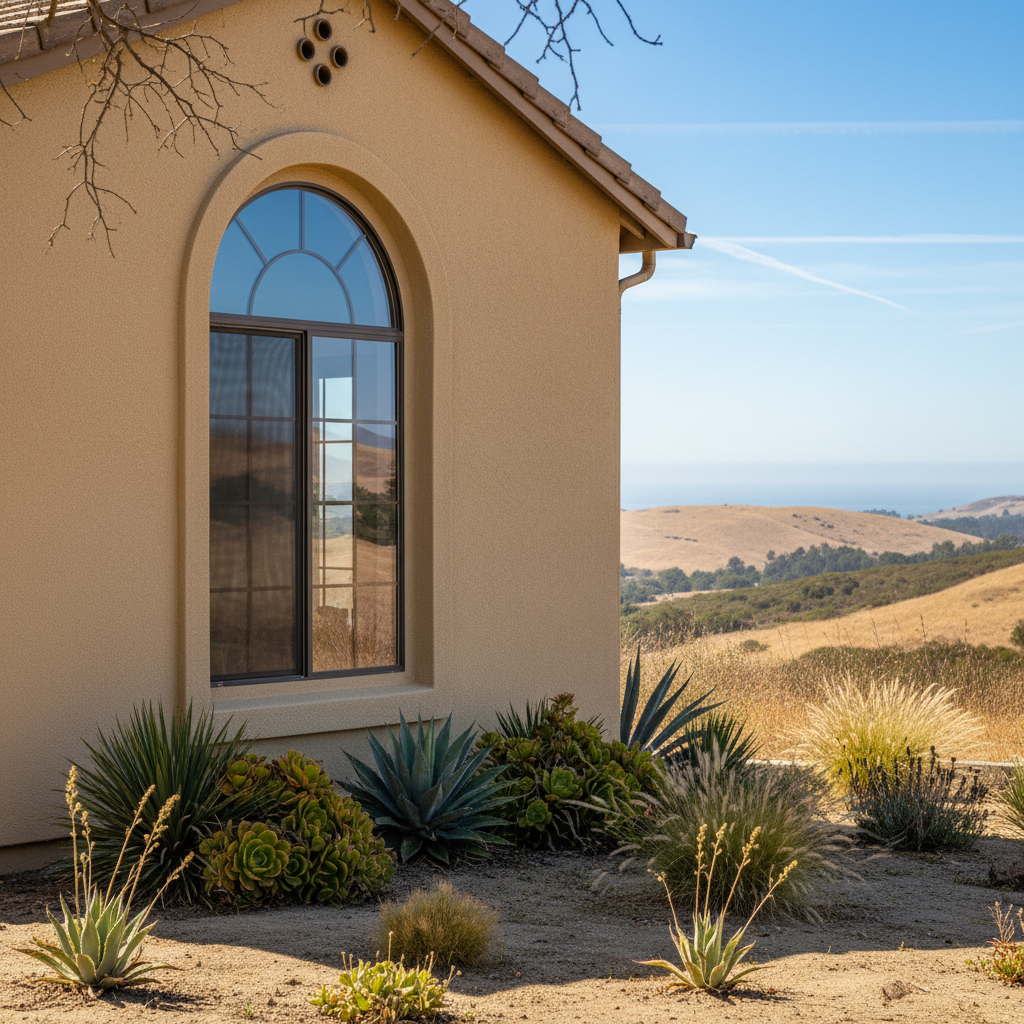
So, you're looking into EIFS for your home here in Marina. That's a smart move, honestly. Exterior Insulation and Finish Systems offer fantastic insulation and look great, but getting it installed right, and at the right time, is crucial. Especially with our specific weather patterns around here. I've been doing this for years with Pacific Stucco Inc, and I've seen firsthand what works and what absolutely doesn't.
When's the Best Time to Schedule EIFS Installation?
Honestly, the best time to schedule EIFS installation around here is usually late spring through early fall. Think May, June, July, August, September. Why then? It's all about the weather, plain and simple. EIFS, just like traditional stucco, involves layers that need to dry and cure properly. You can't rush that process, and Mother Nature definitely plays a big role.
We need consistent temperatures and, ideally, lower humidity. While Marina doesn't get extreme heat, those summer months give us the most reliable stretch of dry, moderate days. This lets each coat set up correctly before the next one goes on, ensuring a strong, durable finish. Trying to do this in the dead of winter, when those persistent, damp fogs roll in off Monterey Bay for days on end? That's just asking for trouble. It'll slow everything down, and you risk issues with curing.
Weather Conditions That Affect EIFS Work
Let's talk specifics about weather. There are a few things that can really throw a wrench into an EIFS project:
- Rain: This is the big one, no surprise. EIFS materials can't be applied to wet surfaces, and they definitely can't be exposed to heavy rain during critical drying phases. We'll always keep a close eye on the forecast, and if rain is coming, we'll either pause work or take steps to protect what's already been applied. You really don't want water getting trapped in those layers.
- High Humidity: While not as immediately disruptive as rain, consistently high humidity — like we often get with our coastal fog — can significantly extend drying times. This means the project takes longer, and it can sometimes affect the final cure of the materials. We're used to it, of course, but it's something we factor into our scheduling and timelines.
- Extreme Temperatures: Both too hot and too cold can be problematic. If it's too cold, the materials won't cure properly. Too hot, and they might dry too quickly, leading to cracking or other issues. Luckily, Marina's climate is pretty mild, so extreme heat is rarely an issue. Cold, damp mornings are more common, and we just have to wait for things to warm up a bit.
- Wind: Strong winds can cause materials to dry too fast, and they can also blow dust and debris onto wet surfaces, compromising the finish. We'll often use temporary screens or adjust our work areas if it's particularly blustery.
What all this means for you is that flexibility is key. We'll work with you on scheduling, but sometimes, if the weather turns, we might need to adjust. It's always better to wait for optimal conditions than to rush a job that won't last, wouldn't you agree?
Protecting Your EIFS Investment Year-Round
Once your EIFS is installed, you've got a fantastic, energy-efficient exterior. But like any part of your home, it needs a little love to keep it looking good and performing its best. Here's what I recommend for year-round protection:
- Regular Cleaning: Our coastal environment means you'll get some dirt and maybe even a bit of mildew buildup over time. A gentle cleaning with a soft brush and mild detergent, or a low-pressure wash, will usually do the trick. Just don't use a high-pressure washer; it can damage the surface.
- Inspect Annually: Take a walk around your house once a year, preferably after the winter rains. Look for any cracks, dings, or areas where the finish might be compromised. Pay close attention around windows, doors, and rooflines – these are common spots for issues to start. If you see anything, give us a call. Small repairs are always easier and cheaper than big ones.
- Manage Landscaping: Keep shrubs and trees trimmed back from your EIFS. Branches rubbing against the surface can cause abrasion, and dense foliage can trap moisture against the wall, encouraging mildew growth.
- Check Gutters and Downspouts: Make sure your gutters are clean and your downspouts are directing water away from your foundation and walls. Overflowing gutters can saturate your EIFS and lead to problems.
- Sealants Around Openings: The sealants around your windows, doors, and other penetrations are critical. Over time, they can crack and degrade. Check them regularly and re-caulk as needed. This is a common entry point for water if neglected, so don't forget it.
EIFS is a great choice for homes in Marina, offering durability and energy savings. Just remember that proper installation timing and a little bit of ongoing care will ensure it serves your home well for decades to come. If you have any questions or want to talk about your specific project, don't hesitate to reach out to us at Pacific Stucco Inc. We're always happy to help our neighbors.