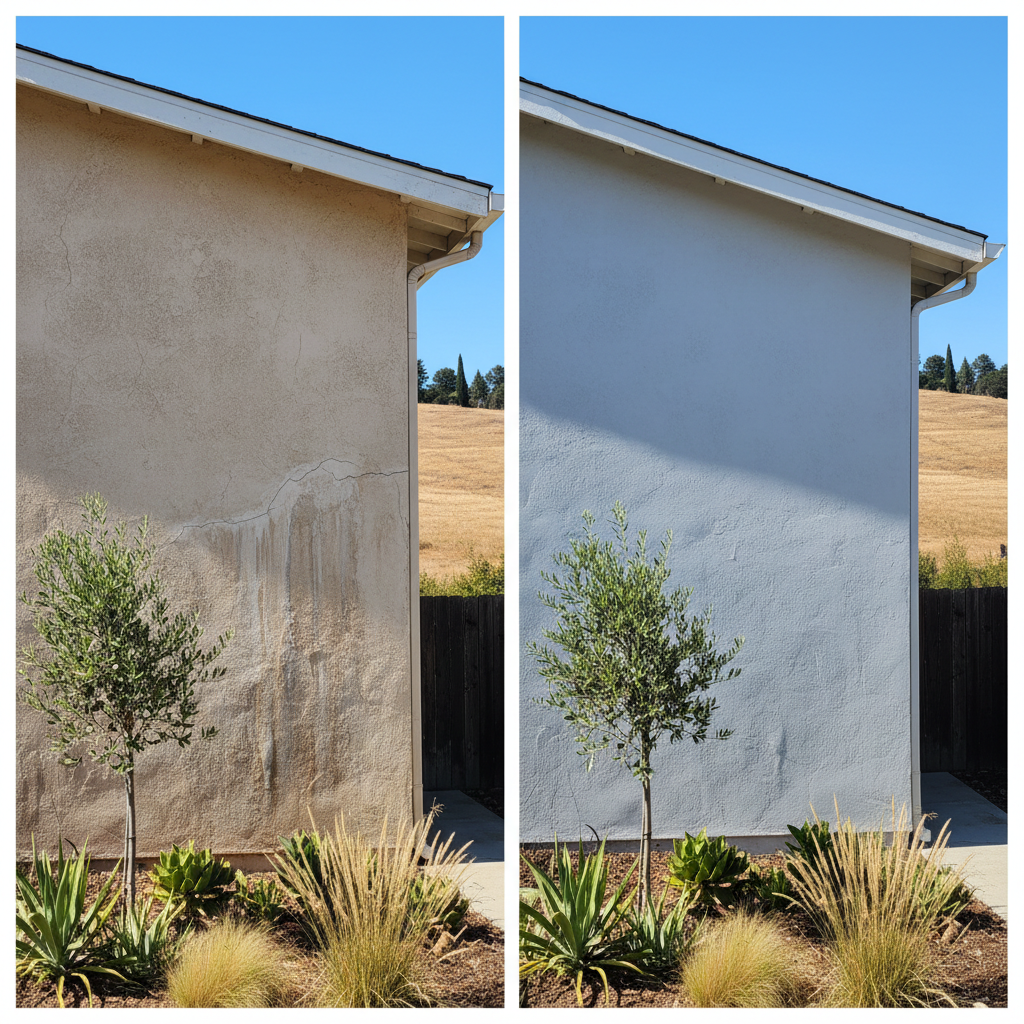
Ready to give your home's exterior a facelift? If you've got stucco, you're probably weighing your options for what to put on it. It’s not just about picking a color, you know; it’s really about choosing the right material to protect your investment. Here in Marina, with our coastal air and those foggy mornings, making the right call matters a lot. Let's talk about the two main contenders: regular acrylic latex paint and elastomeric coatings.
Acrylic Latex Paint: The Go-To Choice
Most folks are familiar with acrylic latex paint. It's what you'd typically use on siding, trim, or even inside your house. For stucco, it's a perfectly good option, and it’s often the first thing that comes to mind.
Cost & Application
Generally, acrylic latex paint will be your more budget-friendly option up front. The material itself costs less per gallon, and it’s a bit easier to apply, which means labor costs might be a little lower too. It goes on just like any other paint, and a skilled painter can achieve a smooth, even finish.
Durability & Maintenance
It holds up pretty well, especially if you opt for good quality exterior acrylics. You can usually expect a solid 7-10 years out of a decent paint job before it starts looking tired or showing wear. Maintenance is straightforward enough: wash it down now and then. But if you get a crack in the stucco underneath, you'll see it right through the paint. That means you'll need to fix the stucco crack, then repaint that section. Sometimes, this can lead to visible touch-ups if the color isn't perfectly matched or if the original paint has faded.
Appearance
Acrylic paint gives a crisp, clean look. You've got a massive range of colors to pick from, so matching your style is never an issue. On stucco, it can sometimes look a little 'flat' compared to other options, but for many, that’s exactly the aesthetic they’re after.
Elastomeric Coatings: The Stucco Specialist
Now, elastomeric coatings are a different animal entirely. Think of them as paint on steroids, specifically made for masonry surfaces like stucco. We use them a lot at Pacific Stucco Inc. because they're built for the long haul, especially in places like Marina where the weather can be a bit unpredictable.
Cost & Application
You'll definitely pay more for elastomeric coatings. The material itself is pricier, and it's a thicker product, so it takes more skill and often more time to apply correctly. You can't just slap it on; proper surface preparation is even more critical to make sure it sticks and performs as it should. So, expect a higher price tag upfront for both materials and labor, no two ways about it.
Durability & Maintenance
This is where elastomeric really shines. It's incredibly durable and flexible. That flexibility is key because it can bridge hairline cracks in the stucco, keeping water from getting in. This means fewer stucco repairs down the line due to minor cracking. We're talking 15-20 years, sometimes even more, before you'll need to think about recoating. It’s also highly resistant to mildew and dirt pickup, which is a big plus with our coastal humidity. You'll still want to wash it, of course, but it tends to stay cleaner longer.
Appearance
Elastomeric coatings typically have a slightly thicker, more substantial look than regular paint. They can sometimes appear a bit more textured, which some homeowners love as it really enhances the stucco's natural character. Color options are still extensive, though maybe not quite as endless as standard paint lines. The finish is usually a low sheen or flat, which looks great on stucco.
My Recommendation for Marina Homeowners
Alright, so which one should you go with? For most homes in Marina, especially those closer to the dunes or in areas like the Dunes on Monterey Bay where you get more exposure to the elements, I almost always lean towards an elastomeric coating. Yes, the initial cost is higher, but the long-term benefits usually outweigh that difference, don't they?
Think about it: the flexibility means it handles the expansion and contraction of your stucco better through our temperature swings. Its superior waterproofing properties are a huge advantage against our damp mornings and occasional heavy rains. Plus, the extended lifespan means you're not thinking about repainting again for a good long while. You're getting better protection, less maintenance, and a longer-lasting finish. It's an investment that pays off in how good your home looks and how little you have to worry.
If your stucco is in absolutely pristine condition with no cracks, and you're on a very tight budget, a high-quality acrylic latex paint can work. But even then, I'd suggest considering the long-term value of elastomeric. It's just a better fit for the specific challenges our Marina homes face.
Ultimately, the best approach depends on your home's current condition, your budget, and how long you plan to stay put. Give us a call at Pacific Stucco Inc., and we can take a look at your place and give you a more personalized recommendation.